
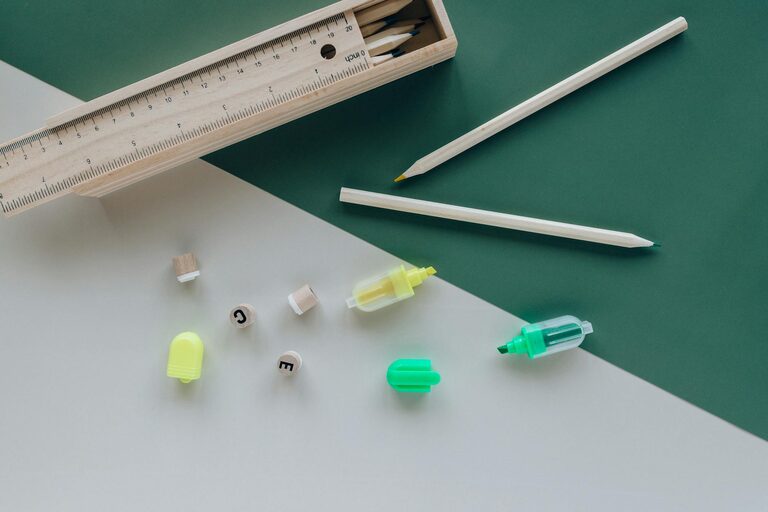
Bullet journaling is a flexible and creative way to organize your life, track habits, and set goals. If you’ve heard of it but aren’t sure where to start, this beginner guide will walk you through the basics and help you create a system that fits your lifestyle.
What Is Bullet Journaling?
Bullet journaling, often called “BuJo,” is a method of journaling and note-taking that blends to-do lists, calendars, and diary-style entries in one customizable notebook. It was created by Ryder Carroll, a digital product designer, as a way to stay organized and mindful.
Unlike traditional planners, a bullet journal can be fully personalized with your own layouts, styles, and content. It uses simple symbols called “bullets” to quickly capture tasks, notes, and events.
Why Try Bullet Journaling?
People turn to bullet journaling for many reasons:
– To organize daily tasks and long-term goals in one place
– To boost productivity by tracking habits and deadlines
– To spark creativity through doodles, colors, and layouts
– To reduce stress by reflecting on progress and priorities
Even if you don’t consider yourself artistic, bullet journaling can be adapted to how simple or decorative you want it.
What You Need to Get Started
Supplies
Starting a bullet journal requires minimal supplies:
– Notebook: Choose a dotted, grid, or blank notebook. Popular options include Leuchtturm1917 or any notebook you like.
– Pen: A smooth-writing pen is ideal. Many use fine liners, gel pens, or colored pens.
– Ruler (optional): Helpful for drawing straight lines and grids.
Set Up the Basics
Your bullet journal typically begins with:
– Index: A running table of contents for easy reference.
– Key: A legend explaining the symbols or bullets you’ll use.
– Future Log: A yearly overview to note important dates and long-term plans.
– Monthly Log: A calendar and task list for the current month.
– Daily Logs: Your day-to-day entries with tasks, events, and notes.
Understanding the Symbols (Bullets)
Ryder Carroll’s original system uses simple bullets to categorize your entries:
| Symbol | Meaning |
|——–|—————-|
| • | Task |
| ○ | Event |
| – | Note |
| × | Completed task |
| > | Migrated task |
| < | Scheduled task |
You can customize this or add your own symbols for priorities, ideas, or habits.
Step-by-Step Setup
1. Create Your Key
Design a small legend on one of the first pages listing your chosen symbols and colors. Keeping this consistent makes it easy to scan your pages.
2. Set Up the Index
Reserve the first two or three pages for the index. As you create new pages, number them and add the topics to the index for quick lookup.
3. Future Log
Divide a page into sections for each upcoming month or quarter. Here you jot down birthdays, appointments, vacations, and project deadlines.
4. Monthly Log
At the start of each month, create a calendar layout. This could be a simple list or a grid. Add important dates and monthly goals.
5. Daily Logs
Each day, add tasks you want to accomplish, notes, or events. This can be as brief or detailed as you like.
Tips for Successful Bullet Journaling
– Start simple: Focus on basic logs and bullets before adding complex layouts.
– Be consistent: Try daily or weekly entries to build a habit.
– Use migrating tasks: Move unfinished tasks to the next day or month to keep your journal current.
– Add collections: These are dedicated pages for specific topics like books to read, fitness goals, or meal plans.
– Keep it functional: The goal is productivity and clarity, not perfection.
– Experiment: Try different page setups or artistic touches like stickers, washi tape, or calligraphy as you go.
Common Bullet Journal Collections to Try
– Habit tracker
– Mood tracker
– Gratitude log
– Budget planner
– Project tracker
– Reading list
Digital vs. Paper Bullet Journals
While traditional bullet journaling uses a physical notebook, some prefer digital versions using apps or tablets. Both have pros and cons: paper notebooks offer tactile satisfaction and fewer distractions, whereas digital tools allow easy editing and syncing.
Final Thoughts
Bullet journaling combines productivity with creativity, giving you full control over how you organize your time and thoughts. Start with the basics and customize your journal to fit your needs. With a little practice, it can become a valuable tool for improving focus, capturing ideas, and enjoying the process of planning.
Remember, your bullet journal is for you—there’s no right or wrong way to do it. So grab a notebook, a pen, and start experimenting today!