
Creating a peaceful and relaxing atmosphere in your home often starts with the colors you choose for your walls and decor. Calm colors have the power to soothe your mind, reduce stress, and make any room feel more inviting. Whether you’re redecorating a single space or planning a full home makeover, selecting the right colors is essential to achieving that tranquil vibe.
In this post, we’ll explore practical tips for choosing calm colors that fit your style and bring harmony to your living space.
Why Choose Calm Colors for Your Home?
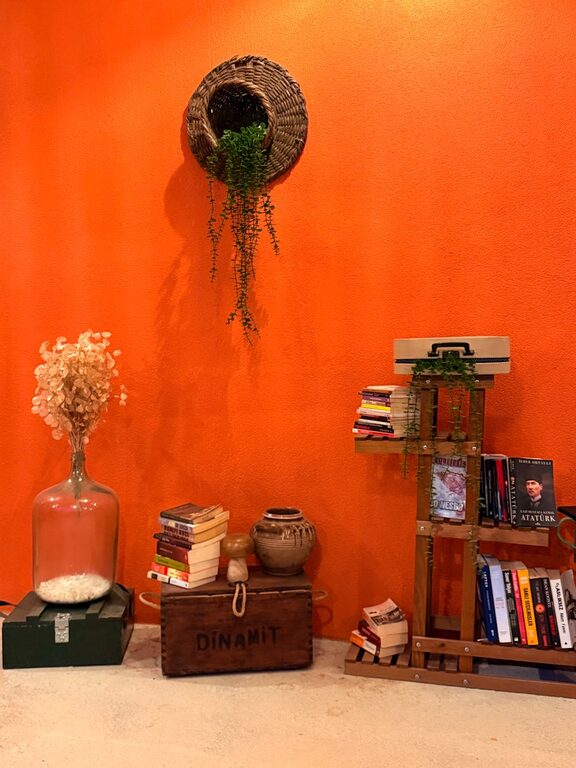
Colors influence our mood and energy levels. Bright, bold colors like red or orange can energize a room but may feel overwhelming in large doses. Calm colors—often soft blues, greens, neutrals, and muted tones—promote relaxation, concentration, and comfort.
Using calm colors strategically can help:
– Create a restful bedroom
– Design a focused home office
– Build a welcoming living room
– Add a sense of spaciousness and light
Understand Color Psychology Basics
Before diving into color choices, it helps to understand the mood each color typically evokes:
– Blue: Encourages calmness and tranquility. Great for bedrooms and bathrooms.
– Green: Symbolizes nature and balance, perfect for living rooms and kitchens.
– Beige and Taupe: Neutral and grounding, these tones create a warm, cozy feel.
– Soft Gray: Offers a modern and sleek background without feeling harsh.
– Lavender and Soft Purple: Bring gentle creativity and calm to a space.
Tips for Choosing Calm Colors
1. Consider Natural Light
Natural light affects how colors appear in your space. A soft blue may look cooler in bright sunlight but warmer in low light. Test paint samples on your walls and observe them at different times of day before making a final decision.
2. Start with a Neutral Base
Neutrals like off-white, beige, or light gray create a subtle canvas that complements calm accent colors. They allow flexibility to change décor over time without repainting.
3. Choose a Color Palette
Select a small color palette rather than many different shades. A harmonious palette with one main calm color and a few complementary tones can avoid visual clutter and create balance.
4. Use Accent Colors Wisely
Calm colors don’t have to be dull. Incorporate muted versions of your favorite colors through accessories like pillows, rugs, or curtains. This adds personality without overwhelming the senses.
5. Think About Room Function
Different rooms benefit from different calm colors:
– Bedroom: Soft blues or lavender for restful sleep
– Living Room: Warm neutrals or greens for inviting gatherings
– Kitchen: Cool greens or pale yellows for freshness and energy
– Home Office: Muted blues or grays to aid focus without distraction
6. Texture and Finish Matter
Matte or eggshell finishes absorb light and create a soft look, ideal for calm spaces. Glossy paints reflect light and can feel more energetic or formal. Also, adding texture through fabrics, rugs, and wall art enhances the soothing atmosphere.
7. Test Paint Samples
Before committing, buy small sample pots and paint patches on different walls. Live with them for a few days to see how the colors interact with your lighting and furniture.
Popular Calm Color Choices
Here are some tried-and-true calm colors to consider:
– Pale Blue: A classic peaceful choice, evoking the sky or sea.
– Sage Green: Earthy and fresh, perfect for almost any room.
– Warm Beige: Adds warmth without overpowering other colors.
– Soft Gray: Modern and versatile, pairs well with pastels or bold accents.
– Muted Lavender: Offers a hint of creativity and luxury.
– Creamy White: Clean, bright, and timeless.
Final Thoughts
Choosing calm colors for your home is about creating a space where you feel comfortable, relaxed, and rejuvenated. Take your time, understand your preferences, and test different options. With the right palette, your home will become your personal sanctuary.
Don’t forget to balance color with lighting, texture, and decor for the best effect. Happy decorating!